Explore a variety of mouth-watering Japanese specialties, from sushi to dorayaki, offering authentic flavors and an unforgettable culinary experience.
Japanese cuisine is renowned for its unique tastes, refined presentation techniques, and the precision of the ingredients used. Each dish in Japan has its own unique characteristics and deep philosophy, making it not only delicious but also meaningful.
From rice and noodle dishes to fresh seafood, Japan has a variety of cuisines that are not only popular domestically, but also have become world-famous. Here are 10 must-try Japanese dishes, each with an authentic taste that will tempt your taste buds.
1. Sushi
Sushi is one of the most famous Japanese Foods in the world. Made from rice seasoned with a mixture of vinegar, sugar, and salt, sushi has many different types to enjoy.
There are sushi rolls wrapped in nori (seaweed) like maki, sushi with fish slices on rice like nigiri, to temaki, sushi shaped like a cone.
Fresh fish such as salmon, tuna, and eel are the main ingredients in serving sushi. Sushi presents a blend of soft, sour, and slightly savory flavors that make it a favorite food for many people.
2. Ramen
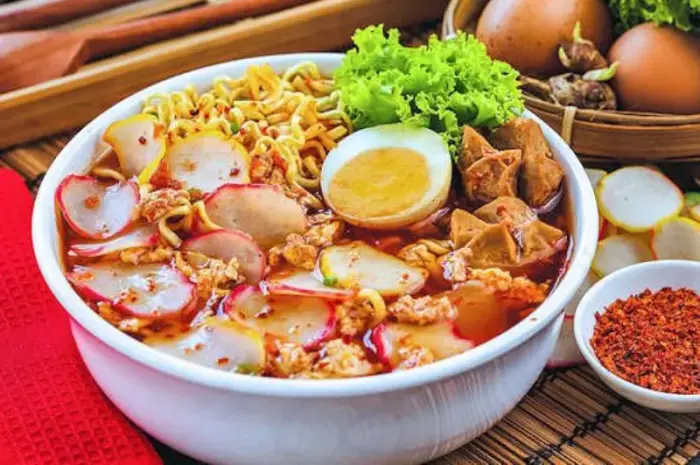
Ramen is a popular Japanese noodle dish. Known for its rich broth, ramen comes in four main varieties: shoyu (soy sauce), shio (salt), miso (fermented soybean paste), and tonkotsu (pork bone broth).
Ramen noodles have a chewy texture and are usually served with toppings such as beef or chicken, boiled eggs, green onions, and nori.
The uniqueness of ramen lies in its rich broth and is often found in many ramen shops throughout Japan, making it a very popular choice, both in restaurants and instant ramen.
3. Takoyaki
Takoyaki is a traditional Japanese snack that is especially famous in Osaka. Shaped like small balls, takoyaki is made from flour batter filled with pieces of octopus cooked with other ingredients such as spring onions, ginger, and tempura.
Takoyaki is cooked in a round mold and served with toppings such as bonito flakes (dried fish flakes), takoyaki sauce, and mayonnaise.
Its crunchy texture on the outside and soft on the inside, plus the savory taste that comes from the filling ingredients, makes takoyaki a popular snack that is often found at night markets and festivals.
4. Onigiri
Onigiri or rice balls are a simple yet practical food that is very popular in Japan, especially as a provision. The warm rice is shaped into balls or triangles, then filled with fillings such as tuna mayo, salmon, or umeboshi (pickled plum).
After that, the onigiri is wrapped in nori to add a savory taste. This food is very portable, making it a favorite choice for picnics or travel, and is much loved for its simplicity.
5. My Yakiniku
Yakiniku, which means “grilled meat,” is a Japanese dish featuring cuts of meat, usually beef, grilled over charcoal or a grill. The meat is cut into large pieces and served with a sweet yakiniku sauce, made from soy sauce, mirin, and sugar.
Yakiniku is often served with vegetables, mushrooms, and white rice. Its savory taste and unique cooking method make yakiniku a dish that is very popular with many people, especially when gathering with friends or family.
6. Sashimi
Sashimi is a Japanese dish consisting of thin slices of fresh fish or other seafood, served without rice. Typically using fish such as tuna, salmon, and eel, sashimi is served with a little wasabi and soya sauce.
Sashimi takes advantage of the freshness of the main ingredients, so the quality of the ingredients is very important in its presentation.
This dish highlights the pure flavors of the fish or seafood used, providing a very distinctive and authentic culinary experience.
7. Shabu-shabu
Shabu-shabu is a Japanese dish in which thin slices of meat (usually beef) are dipped in boiling broth, then eaten with vegetables, mushrooms, and tofu. The stock used can vary, such as miso or dashi.
The meat and vegetables are cooked in a large pot placed on the dining table, providing an interactive cooking experience.
Once cooked, the meat is usually dipped in sesame sauce (gomadare) or spicy soy sauce. Shabu-shabu provides a light and fresh taste that is perfect for enjoying with family or friends.
8. Mochi
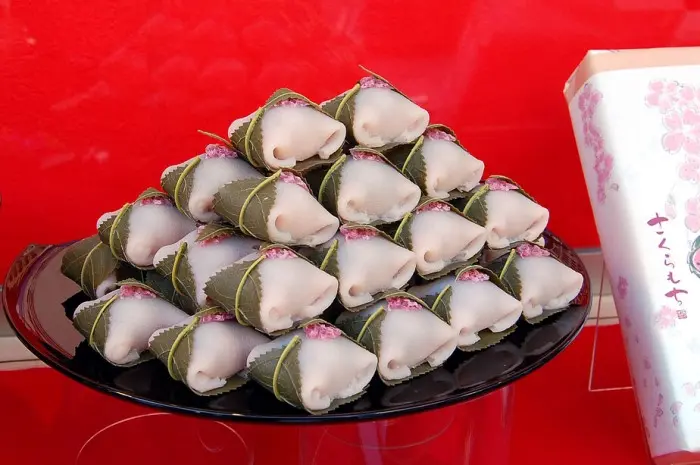
Mochi is a traditional Japanese cake made from glutinous rice flour that is pounded into a chewy paste. Mochi is usually served in a round or flat shape, and can be filled with various ingredients such as sweet red beans (anko) or even ice cream.
Mochi is often made during festivals or special occasions, and for the Japanese, making mochi is a time-honored tradition. Its chewy and sweet taste makes mochi one of the most popular desserts in Japan.
9. Udon
Udon is a thick Japanese noodle made from wheat flour. Unlike ramen which is thinner and chewier, udon has a thicker and denser texture.
Udon is usually served in a broth made from dashi, and is complemented with toppings such as tempura, egg, or spring onions.
Udon can also be enjoyed with warm broth in winter or cold with dipping sauce in summer. Various variations of udon, such as curry udon or udon with kakiage (vegetable tempura), further increase the choices for Japanese culinary fans.
10. Dorayaki
Dorayaki is a famous Japanese cake, especially for fans of the cartoon Doraemon. Dorayaki consists of two soft pancakes filled with sweet red bean paste (anko).
Over time, dorayaki has evolved with various fillings, such as chocolate, cheese, or even cream. Dorayaki is usually eaten as a light snack between meals and is very popular among children and adults alike.
Its sweet taste and soft texture make dorayaki a satisfying snack choice. Japanese cuisine has its own charm that lies not only in its deliciousness but also in the philosophy underlying each dish.
From simple yet elegant sushi to sweet and chewy dorayaki, each Japanese food offers a distinctive and unique taste sensation, making it a perfect opportunity to bring home Typical Japanese Souvenirs as a reminder of your culinary journey.
If you want to experience an authentic culinary experience, be sure to try these 10 typical Japanese foods that have become favorites of many people around the world.