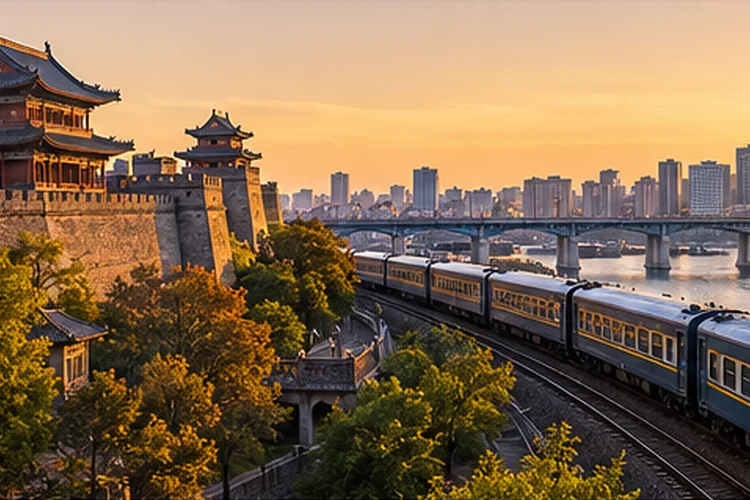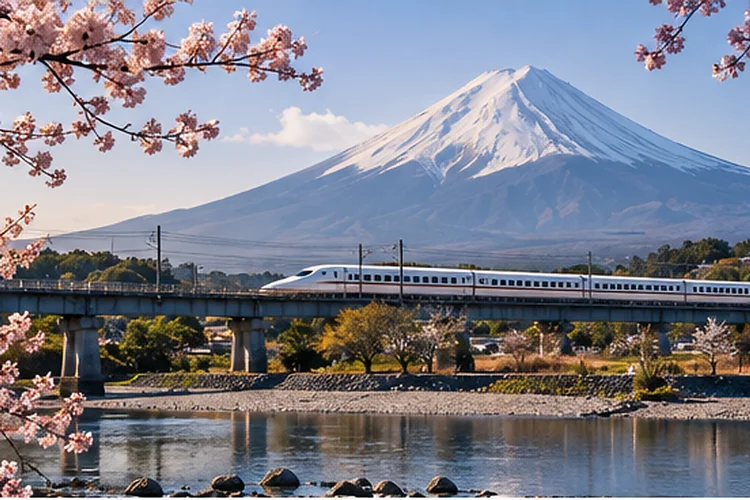
Japan makes long-distance travel look almost effortless. Shinkansen trains connect major cities at remarkable speed, regional railways reach mountain towns and coastal communities, domestic flights cover huge distances, and ferries open routes that rarely appear on first-time itineraries.
But a fast transport network does not automatically create an efficient trip.
Advanced itinerary planning for long-distance travel across Japan is really about deciding when to move quickly and when to slow down.
A Tokyo-Kyoto-Osaka route is straightforward, but things become more complicated when you add Tohoku, Hokuriku, the San’in coast, Shikoku, Kyushu, or Hokkaido.
The Shinkansen network stretches from southern Kyushu toward northern Honshu and Hokkaido, with major branches serving regions such as Hokuriku, Tohoku, and Niigata. The trick is using that speed strategically rather than spending every second day changing hotels.
A strong itinerary should reduce backtracking, control transport costs, and leave enough energy to actually enjoy each destination.
Design the Route Around Geographic Corridors
Start with geography rather than a list of cities.
Japan is long and narrow, which makes linear routes surprisingly effective. Instead of flying into Tokyo, travelling south to Hiroshima, returning to Kanazawa, then heading back toward Kyoto, build a route that keeps moving in one general direction.
A classic westbound journey might run Tokyo → Nagano → Kanazawa → Kyoto → Hiroshima → Fukuoka → Kagoshima. Another option could focus northward through Tokyo, Sendai, Morioka, Aomori, and southern Hokkaido.
Japan’s Shinkansen network supports this corridor-based approach. The Tokaido connects Tokyo with Kyoto and Shin-Osaka, the Sanyo continues toward Hiroshima and Hakata, while the Tohoku and Hokuriku lines open completely different routes north and northwest.
The important question is not, “How many cities can I visit?” It is, “How often am I reversing direction?”
Every unnecessary return journey costs both money and usable vacation time.
Separate Fast Travel Days From Exploration Days
One of the most common itinerary mistakes is assuming that a two-hour train journey only consumes two hours.
Changing hotels means checking out, reaching the station, navigating platforms, travelling, finding the next hotel, storing luggage, and settling in again. A short rail journey can easily break the middle of your day.
For advanced planning, create intentional transfer days.
For example, travel from Kyoto to Hiroshima in the morning, leave your luggage, then spend the afternoon exploring. The next two days can remain completely transport-free.
This is much more relaxing than changing cities every night.
A good rhythm for a longer Japan trip is often three or four nights in major bases, with day trips radiating outward. Kyoto can cover Nara and Uji, Osaka can support trips toward Kobe or Himeji, while Fukuoka provides access to several destinations across northern Kyushu.
The fewer times you change accomodation, the smoother a complicated itinerary usually becomes.
Do the Math Before Buying a Rail Pass
A nationwide Japan Rail Pass can be convenient, but convenience and value are not always the same thing.
JNTO specifically advises travellers to compare regional alternatives because a nationwide pass may not be the most economical option for every itinerary. Regional JR passes cover areas such as Hokkaido, Kansai, Hokuriku, western Honshu, and other parts of the country.
Calculate your major intercity journeys before buying anything.
If most expensive trips occur within seven concentrated days, it may make sense to activate a pass only during that high-mileage section. For the rest of the trip, individual tickets or an IC card may be more practical.
Also remember that rail passes do not automatically cover every form of city transport. JNTO notes that municipal subways and private suburban railways are generally outside the nationwide JR network.
Advanced planning means buying a pass because the itinerary supports it – not designing an itinerary just because you bought the pass.
Use Regional Bases to Explore Slower Rail Networks
The Shinkansen is brilliant for crossing Japan quickly, but many of the country’s most memorable places sit away from bullet-train stations.
This is where regional bases become useful.
Instead of moving overnight from town to town, choose a well-connected city and explore secondary destinations from there. Kanazawa can anchor part of Hokuriku, Okayama works well for sections of the Setouchi region, and Hakata is an excellent base for northern Kyushu.
Regional railways can also become part of the experience rather than wasted transfer time.
JNTO highlights scenic trains across Hokkaido, Tohoku, Hokuriku, Shikoku, and Kyushu, including routes designed specifically around landscapes and regional culture.
This creates a useful planning distinction: use the Shinkansen to cover big distances, then switch to slower trains when the journey itself becomes interesting.
Speed is valuable only when there is something worth reaching faster.
Consider Domestic Flights for Extreme Distances
Japan has such a strong railway reputation that travellers sometimes forget it also has an extensive domestic aviation network.
Flights can make sense when connecting regions that would otherwise require most of a day by rail. JNTO notes that domestic aviation serves around 90 airports, including many regional destinations, with both major airlines and low-cost carriers operating throughout the country.
Tokyo to Fukuoka, Osaka to Hokkaido, or Kyushu to Okinawa are obvious examples where flying deserves comparison with rail.
But calculate the full journey.
A one-hour flight does not mean a one-hour trip. Add airport transfers, security, boarding time, baggage collection, and the distance between the destination airport and city center.
Rail often wins on city-center convenience, while aviation becomes increasingly attractive across very long distances.
Your itinerary should choose whichever option gives you more useful hours – not whichever has the shortest advertised journey time.
Make Luggage Forwarding Part of the Route
Luggage strategy can completely change the quality of a multi-week Japan itinerary.
Japan’s luggage forwarding services allow travelers to send bags between hotels, airports, and other designated counters instead of carrying large suitcases through every train station. JNTO specifically recommends these services for easier “hands-free” travel.
This creates some clever itinerary possibilities.
Imagine travelling Tokyo → Matsumoto → Takayama → Kyoto. Instead of dragging a large suitcase through regional trains and buses, you could send your main luggage from Tokyo to Kyoto and spend two nights with a small overnight bag.
The same strategy works well for island excursions, mountain towns, ryokan stays, or routes involving multiple local trains.
Pay attention to Shinkansen baggage rules too. On the Tokaido, Sanyo, Kyushu, and Nishi-Kyushu Shinkansen, luggage with combined dimensions above 160 cm generally requires an appropriate oversized-baggage seat reservation.
Good baggage planning can make complex tranportation feel dramatically easier.
Add Ferries When They Improve the Geography
Trains do not have to dominate every long-distance itinerary.
Japan has extensive ferry routes, including overnight services, and JNTO specifically points to long-distance connections along both the Sea of Japan and Pacific sides of the country.
An overnight ferry can sometimes replace both transportation and one hotel night.
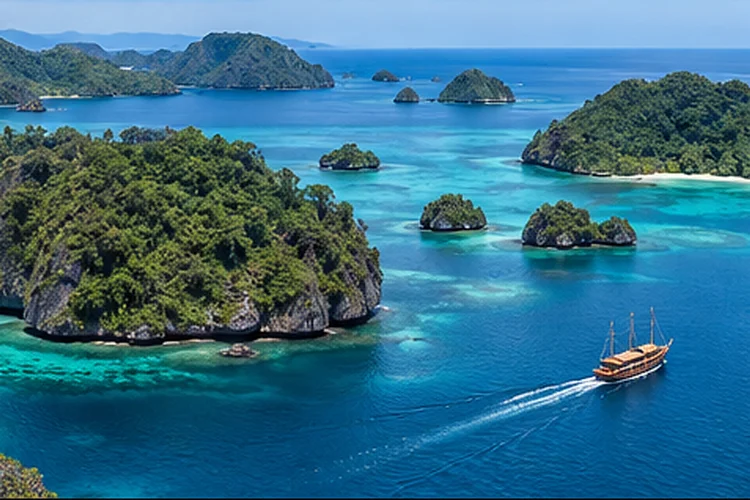
Ferries are particularly interesting when exploring Hokkaido, Shikoku, Kyushu, or smaller islands. They can also introduce a slower rhythm between intense city sections.
However, do not add a ferry just because it sounds adventurous.
Compare departure ports carefully. A cheap overnight crossing becomes inefficient if reaching the port requires three hours and another long transfer waits at the destination.
Use ferries where the route naturally benefits from them.
Build Buffer Days Into Seasonal Travel
An advanced itinerary should include empty space.
That is especially important during winter in northern Japan, the rainy season, typhoon periods, or trips involving flights and ferries. Domestic aviation is generally reliable, but JNTO notes that weather and volcanic activity can occasionally affect flights.
A buffer does not have to mean sitting in a hotel doing nothing.
Schedule flexible cities before critical connections. Tokyo, Osaka, Fukuoka, or Sapporo can easily absorb an extra day because they offer enough activities to fill it.
This is safer than ending a remote island or rural rail journey only hours before an international departure.
Flexibilty also helps when a destination turns out to be better than expected. An itinerary should have enough structure to function without becoming so rigid that one delay destroys everything.
Use Open-Jaw Flights for Cross-Country Routes
If your trip crosses most of Japan, avoid automatically booking a round-trip international ticket through Tokyo.
An open-jaw ticket can save enormous amounts of backtracking.
For example, you might fly into Tokyo and depart internationally from Osaka or Fukuoka. A north-to-south trip could begin in Hokkaido and finish in Tokyo.
Compare the total cost rather than the international airfare alone.
Even if an open-jaw ticket costs slightly more, returning from Fukuoka to Tokyo might otherwise require another domestic flight, Shinkansen ticket, airport transfer, and perhaps an extra hotel night.
This becomes even more useful on three- or four-week itineraries.
Think of your arrival airport as the first point on a line and your departure airport as the last – not necessarily the same point.
Know When to Cut a Destination
The most advanced itinerary skill is knowing what to remove.
Japan’s transport system makes it technically possible to travel enormous distances quickly. That does not mean doing so improves the trip.
Suppose you have 14 days and want Tokyo, Kyoto, Hiroshima, Kanazawa, Takayama, Fukuoka, and Kagoshima. Every destination is achievable, but the resulting journey may contain more hotel changes than meaningful evenings.
Cutting one or two locations can create space for local restaurants, spontaneous day trips, slower mornings, and weather delays.
Treat destinations as experiences, not checkpoints.
If two cities offer similar value to your particular trip, choose the one that fits the route naturally and save the other for a seperate journey.
That is usually more efficient than forcing another four-hour transfer into an already crowded schedule.
Advanced itinerary planning for long-distance travel across Japan is not about mastering every train timetable. It is about building a route that uses Japan’s excellent transport network without allowing transportation to dominate the holiday.
Create geographic corridors, concentrate long rail journeys into logical sections, compare regional passes with individual tickets, and use domestic flights when distances become extreme.
Luggage forwarding, ferries, regional bases, and open-jaw flights can make complicated routes significantly easier.
Most importantly, leave breathing room.
Before booking your next Japan trip, map every overnight stop and count how many times you change accommodation. If movement begins to outnumber exploration days, simplify the route. Japan is easy to cross – but much more rewarding when you give yourself time to stop.