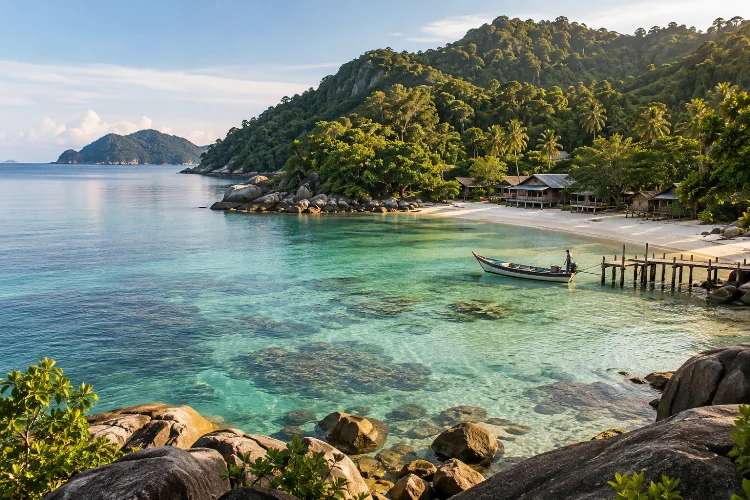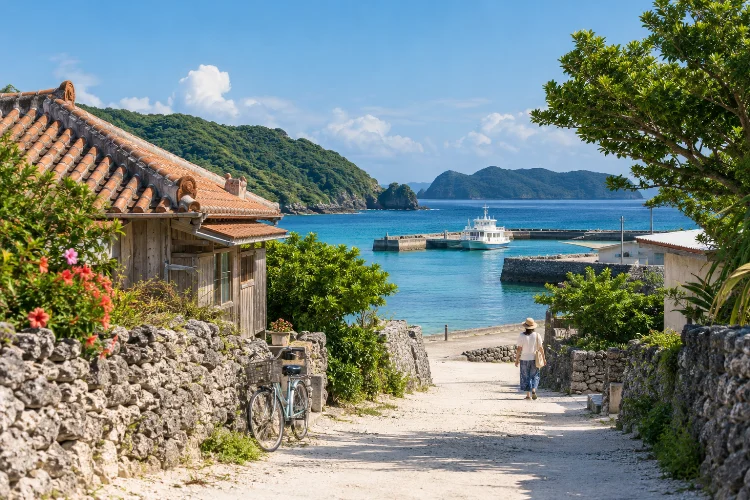
Eastern Indonesia looks deceptively simple on a map. You see hundreds of islands scattered across blue water and start imagining an easy sequence of boats from one tropical paradise to the next.
In reality, distances are huge, transport networks often run through regional hubs, and a route that looks logical geographically may require an unexpected flight or overnight ferry.
That is why learning how to plan an island-hopping route through Eastern Indonesia is less about squeezing in as many islands as possible and more about choosing the right travel corridor.
Places such as Alor, Wakatobi, the Banda Islands, and Raja Ampat offer spectacular diving, volcanic landscapes, traditional communities, and some of Indonesia’s most interesting maritime history.
But each region works differently. Alor is commonly accessed through Kupang, Banda through Ambon, and Raja Ampat through Sorong.
The best itineraries accept that reality and use it to their advantage.
Think in Regional Clusters, Not One Giant Route
The biggest mistake when planning Eastern Indonesia is treating the region as though it were one compact island chain.
Raja Ampat, Wakatobi, Banda, and Alor may all appear on the eastern side of the country, but travelling between them can involve considerable backtracking.
Flights commonly connect through cities such as Makassar, Kupang, Ambon, Kendari, or Sorong rather than directly between small islands.
A smarter approach is to divide the region into separate clusters.
East Nusa Tenggara works well for volcanic landscapes and destinations such as Flores and Alor. Southeast Sulawesi gives you Wakatobi. Maluku opens routes around Ambon and Banda, while Sorong functions as the main jumping-off point for Raja Ampat.
Unless you have several weeks, choose one or two clusters rather than trying to connect all of them.
Build Your Route Around Gateway Cities
Gateway cities are not always the most exciting stops, but they make complicated island journeys much easier.
For Alor, Kupang is an important connection point. Official tourism information notes that travellers can reach Alor by flying from Kupang to the airport serving Kalabahi, while sea travel is also possible through longer combinations.
Ambon plays a similar role for the Banda Islands. Banda Neira is reached from Ambon by air or sea, although official tourism guidance also warns that weather and operational conditions can affect connections.
For Raja Ampat, the classic gateway is Sorong. From there, travellers can continue by ferry toward Waisai before arranging smaller boats for individual islands and villages. The regular sea journey between Sorong and Waisai generally takes around two to three hours.
Think of these cities as transport anchors rather than inconvenient stopovers.
Try an East Nusa Tenggara Route for Variety
If you want a mix of diving, mountains, traditional culture, and fewer complicated long-distance jumps, East Nusa Tenggara is a strong place to start.
Alor is particularly attractive for travellers interested in underwater scenery and village culture. Kalabahi is the main town and the center for most accomodation and transport services, while smaller surrounding islands host dive-oriented stays.
The island also offers more than marine activities. Traditional communities such as Takpala preserve distinctive architecture, while Kalabahi’s Museum of a Thousand Mokos highlights Alor’s bronze kettledrum heritage.
For a longer regional itinerary, you can combine several East Nusa Tenggara destinations, but avoid planning every transfer on consecutive days.
A spare night in a transport hub can save the entire itinerary when a connection shifts.
Use Wakatobi as a Self-Contained Island-Hopping Trip
You do not necessarily have to travel across several provinces to create a satisfying island-hopping itinerary.
Wakatobi is essentially an island-hopping destination within a destination. Its name comes from four principal islands: Wangi-Wangi, Kaledupa, Tomia, and Binongko. UNESCO describes the Wakatobi Biosphere Reserve as covering around 1.39 million hectares, most of it marine environment.
Wangi-Wangi functions as the main gateway and is home to Matahora Airport. From there, sea transport connects travellers with other parts of the archipelago, including Kaledupa, Hoga, and Tomia.
Official tourism guidance stresses that inter-island travel depends heavily on boats and that schedules should be checked before departure.
That makes Wakatobi perfect for a slower itinerary.
Instead of spending half your vacation flying between provinces, you can concentrate on snorkeling, diving, beaches, Bajo maritime culture, and smaller island communities within one region.
Combine Ambon and Banda for History and Marine Adventure
Travellers interested in history should consider building an island route around Maluku.
Ambon acts as the practical gateway, while the Banda Islands add volcanic landscapes, coral reefs, colonial architecture, and one of the most important spice-trade stories in the world.
Banda once occupied an extraordinary position in global commerce because nutmeg and mace originated there. UNESCO’s Tentative List describes the archipelago as eleven small volcanic islands whose spice production became a major focus of European colonial competition.
Banda Neira itself is compact enough to explore at a relaxed pace. Forts, historic buildings, nutmeg plantations, Gunung Api, and nearby snorkeling areas can easily fill several days.
The challenge is transport flexibilty.
Official tourism information specifically advises travellers to reconfirm services because flights and sea crossings can be affected by weather and operational problems.
Do not schedule a long-haul flight home immediately after leaving Banda.
Save Raja Ampat for the Final Big Adventure
Raja Ampat deserves more than a hurried three-day detour.
After reaching Sorong, most independent travellers continue toward Waisai or arrange direct boat transportation to their chosen part of the archipelago. Waigeo is among the easiest major islands to reach and provides access to accommodation, diving, wildlife, and further boat connections.
From there, island hopping can expand toward places such as Arborek, Piaynemo, Misool, or smaller villages depending on budget and time.
The key issue is distance.
A place that appears close on a map can require hours in a small boat. Fuel, sea conditions, and the number of passengers can also affect the cost of transfers.
Instead of changing islands every night, choose two or three bases and explore neigboring reefs and villages on day trips.
That approach reduces transport time and usually produces a much more relaxed Raja Ampat experience.
Leave Buffer Days Between Boats and Flights
Buffer days are not wasted days in Eastern Indonesia.
They are part of responsible itinerary planning.
Many island connections depend on weather, sea conditions, aircraft availability, and relatively small transport networks. Official information for Raja Ampat, Banda, and Wakatobi repeatedly recommends checking current schedules because departures can change.
As a practical rule, avoid connecting an important international flight directly to a long boat journey.
Spend the previous night in Sorong, Ambon, Kupang, Kendari, or another regional hub whenever possible.
This also gives you time to buy supplies, withdraw cash, organize SIM data, and confirm onward transporation.
The farther you travel from major cities, the more useful that extra preparation becomes.
Match the Route to Your Available Time
A successful island-hopping trip should become less ambitious as your available time gets shorter.
With around one week, stay within a single region such as Wakatobi or Raja Ampat. With two weeks, you can explore one region deeply or combine two reasonably connected areas.
Three to four weeks gives you much more freedom, but even then it is usually better to travel eastward in stages rather than constantly flying back and forth.
Travel time also needs to include the islands themselves.
If reaching a destination requires most of a day, staying only one full day before leaving again rarely makes sense. Remote destinations reward longer stays because weather, boat availability, and local opportunities cannot always be predicted in advance.
The goal is not to collect islands. It is to have enough time to experience them.
Plan Around the Sea, Not Against It
Island hopping in Eastern Indonesia means accepting that the ocean determines much of the schedule.
Different regions experience different wind, rain, and sea patterns, and conditions can change significantly throughout the year. Diving operators, local boat captains, homestays, and regional tourism offices are often useful sources for current local information.
Pack with boat travel in mind.
Dry bags, lightweight luggage, reef-safe sun protection, motion-sickness medication if needed, and copies of important documents can make repeated sea transfers much easier.
You should also avoid touching coral, standing on reefs, or treating remote beaches as disposable picnic areas.
In places such as Wakatobi, marine ecosystems are central to both biodiversity and local livelihoods. UNESCO notes that the biosphere reserve contains coral reefs, seagrass, mangroves, turtles, cetaceans, and other important coastal ecosystems.
Travelling slowly helps protect the places you came to enjoy.
Learning how to plan an island-hopping route through Eastern Indonesia starts with abandoning the idea that every famous island needs to fit into one trip.
Use regional hubs, keep geographically connected destinations together, and allow extra days for unpredictable sea and flight conditions.
Wakatobi works brilliantly as a self-contained archipelago, Alor offers diving and culture through East Nusa Tenggara, Banda combines maritime history with tropical scenery, and Raja Ampat rewards travellers who stay long enough to explore slowly.
Most importantly, build flexibility into the journey.
Choose fewer islands, spend longer on each one, and confirm local connections shortly before travelling. Start by selecting the region that interests you most, then design the route around realistic transport links rather than simply drawing the shortest line across the map.